

Kenya Weather, climate and geography
Weather & climate
Kenya's climate varies significantly by region and altitude, so weather conditions can differ markedly within the same trip. In general, the country experiences warm temperatures year-round, with cooler conditions in the highlands and hotter, more humid weather along the coast and in low-lying areas.
In the central highlands, including Nairobi and areas around Mount Kenya, temperatures are relatively moderate. The warmest and driest period is usually from January to March, with daytime temperatures typically around 22–28°C (72–82°F). From June to September, conditions are cooler and drier, with daytime temperatures often between 18–24°C (64–75°F) and cooler evenings, especially at higher elevations.
Along the coast, including Mombasa, the climate is hot and humid throughout the year. Daytime temperatures generally range from 28–32°C (82–90°F), with high humidity making it feel warmer. The coast experiences its heaviest rainfall during the long rains from March to May, while the short rains from October to December tend to be lighter and less disruptive.
The safari regions, including the Maasai Mara, have a more seasonal pattern that strongly influences wildlife viewing. Daytime temperatures typically range from 20–28°C (68–82°F), with cooler mornings and evenings. The driest period runs from June to September, coinciding with peak safari season and the annual wildebeest migration. Rainfall is more likely from March to May and, to a lesser extent, from October to December.
Kenya has two rainy seasons overall. The long rains usually fall from March to May and bring heavier, more sustained rainfall, particularly in the afternoons. The short rains occur from October to December and are generally lighter, with sunny intervals. While travel is still possible during both periods, weather conditions can affect road access in rural areas.
Lightweight, breathable clothing is suitable for most of Kenya throughout the year, particularly in lowland and coastal areas where temperatures can be high. In the central highlands, including Nairobi and areas near Mount Kenya, cooler mornings and evenings mean that a light jumper or jacket is useful, especially between June and August.
For travel during the rainy seasons, waterproof clothing is advisable. A light rain jacket or poncho and quick-drying clothes can make travel more comfortable, particularly when visiting national parks or rural areas. Waterproof footwear is helpful when exploring muddy tracks or walking in towns after heavy rain.
Visitors planning safaris or outdoor activities should bring comfortable clothing suitable for warm days and cooler early mornings, while those heading to the coast may prefer lighter attire for heat and humidity. Modest dress is recommended in towns, villages, and religious sites, with more relaxed styles generally acceptable in beach resorts and safari lodges.
Geography
Kenya's geography is remarkably varied, and this diversity plays a major role in shaping the country's landscapes, wildlife, and travel experiences. Located in East Africa, Kenya shares land borders with Uganda to the west, Tanzania to the south, Ethiopia and South Sudan to the north, and Somalia to the east. To the southeast, it has a coastline along the Indian Ocean, adding beaches and coral reefs to its geographic mix.
One of Kenya's defining physical features is the Great Rift Valley, which cuts through the country from north to south. This vast geological trench creates dramatic escarpments, volcanic landscapes, and a chain of lakes, including Lake Naivasha and Lake Nakuru. The Rift Valley is also one of the best places in the world to see how geology, wildlife, and human settlement intersect.
Kenya's highest point is Mount Kenya, which rises to 5,199 metres (17,057 ft). Africa's second-highest mountain dominates the central highlands and offers alpine scenery, glaciers, forests, and hiking routes. In contrast, Kenya's lowest point lies at Lake Magadi in the Rift Valley, around 200 metres (656 ft) below sea level, where salt flats and extreme heat create a stark, otherworldly environment.
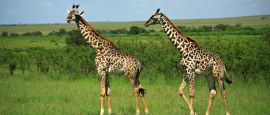
The country's terrain ranges from fertile highlands and rolling savannahs to arid and semi-arid deserts in the north and east. These open grasslands support Kenya's famous wildlife populations, while the highlands around Nairobi and Mount Kenya are cooler, greener, and heavily farmed. Along the coast, low-lying plains give way to sandy beaches, mangroves, and coral reefs.
For visitors, Kenya's geography means constant variety. In a single trip, you can experience mountain air, wide-open savannahs, lakes teeming with birdlife, dry desert landscapes, and tropical beaches.
Do you have any Feedback about this page?
© 2026 Columbus Travel Media Ltd. All rights reserved. No part of this site may be reproduced without our written permission, click here for information on Columbus Content Solutions.



 You know where